The Joy of Creating
For this DM, building worlds — not just running them — is the real joy of the hobby.

As a DM, the best part of running sessions is creating. At our core, humans are storytellers.
I've had the pleasure of running games for the same group of friends since 2019. We've been through it all — Covid, player and DM burnout, new faces, personality conflicts, entirely new systems. Along the way I've learned to make maps, write compelling stories, build interesting NPCs, use AI as a tool rather than a crutch, and co-author a story with my players instead of just narrating one.
More than anything, I've learned how important escapism is — for my friends and for me. Sitting down once a month requires commitment, but it also gives us something to look forward to: a break from the norm, an escape into the fantastical. I've always loved that feeling, and if anything, it's only gotten stronger as I've gotten older.
But the thing I love most about DMing is the act of creation itself. There's no describing the joy of building a world, a sandbox, and then dropping your friends into it just to see what they do.
Lately I've been circling two systems:
Stonetop and Mothership.
Stonetop puts players in the shoes of villagers from a small settlement of the same name — usually the first people from their village ever to leave its walls. That framing turns lore into a collaborative act. What does a fairy actually look like? What does it smell like? Nobody knows yet — which is exactly what makes it so much fun to find out together. Your players create the lore as much as you do, saying what their character thinks of such things or has heard.
Then there's Mothership, my current obsession. Years at the table have taught me that my group's preference is rules-light, roleplay-heavy: stepping into another world and figuring out what makes these characters tick is the real draw.
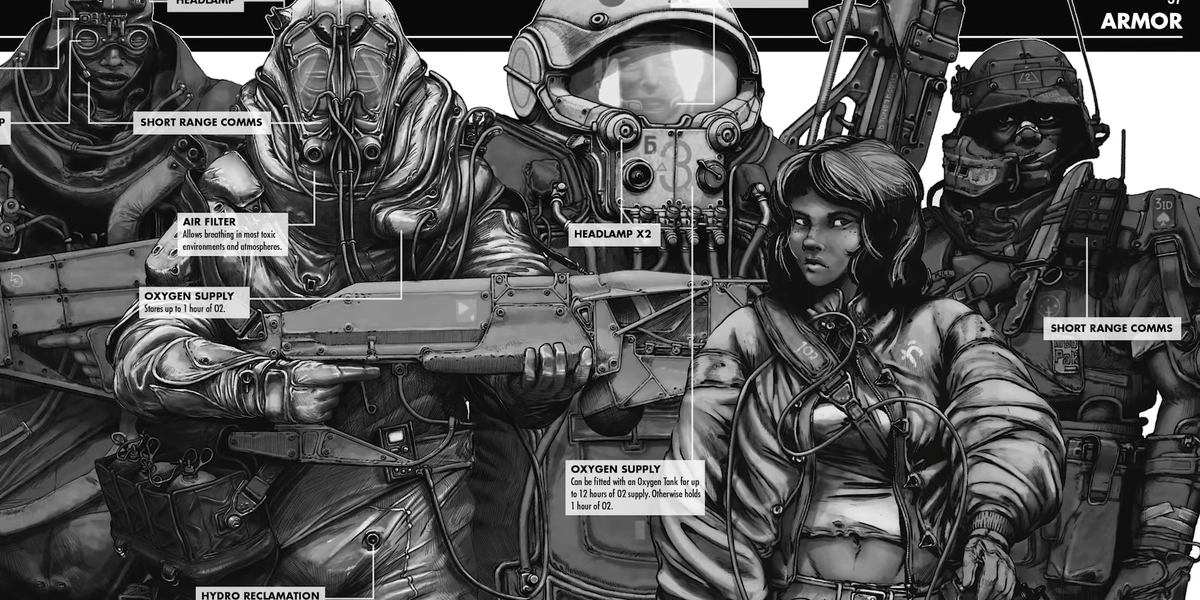
Mothership is a sci-fi horror TTRPG, brutally lethal, and built around the assumption that your characters might not make it — which is part of the appeal. Its stack of optional rules lets you dial the difficulty up or down however you like, and I love that kind of modularity. We've had a great run with Daggerheart because it's simple and easy to pick up, and I'm hoping Mothership scratches that same itch.
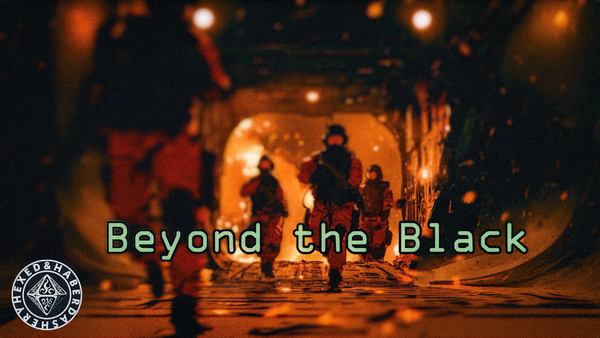
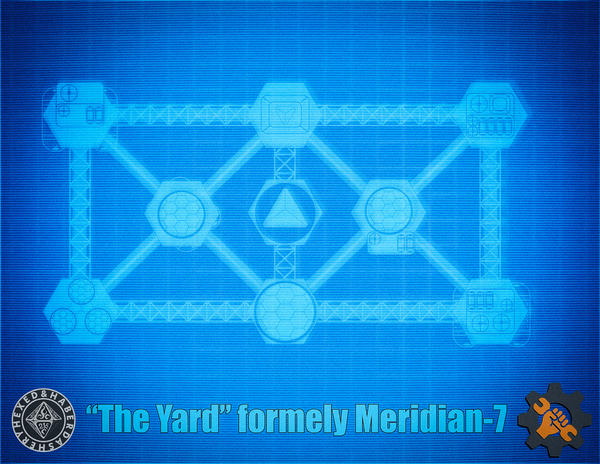
The real highlight of all this, though, has been building a new setting — a sci-fi world for Mothership. The recent Wages of Sin expansion, which casts players as bounty hunters, is what set it off.
I wanted to run a bounty-hunting campaign, which meant thinking through problems I hadn't had to solve before: characters can die permanently, so how does the story survive a revolving cast? How do I leave room in the setting for one-shots and other modules down the line?
That question sent me down a rabbit hole — studying what already existed and pushing a layer deeper. I'd like to put the setting out into the world eventually, paid or free, but either way, I intend to release it.
It's also gotten me thinking about something I never seriously considered before: running games professionally.
As I've put in the work, I keep asking myself how to get this in front of more players and keep growing as a DM. Given how tight things are for everyone right now, if I do go that route, I want the games to be affordable — while still having enough of a bar to entry to so serious, mature players are more likely to come.
The setting itself is sitting at about 42 pages now, and I'm in the middle of my first revision pass — tightening it, making it consistent, smoothing the rough edges.
I'm not sure yet whether professional DMing is in the cards, or what shape any of this takes.
But I can tell you this: everything I've learned over the last six years is going into this world. And I'm genuinely excited about it and seeing where it goes.
Stay frosty.